
01
Consumption assessment
Estimate demand using fleet type, duty cycle and available data.
Free technical training for fleet operators, maintenance engineers and customer technical teams, plus consulting to help ensure drivers use the correct DEF.
01
Estimate demand using fleet type, duty cycle and available data.
02
Review tanks, pumps, hoses, cleanliness and the surrounding environment.
03
Sessions for engineers, technicians, drivers and administrators on SCR and AdBlue®.
04
Structured response to queries with observations linked to batch number.
05
Set reorder points and a delivery schedule aligned with consumption.
06
Coordinate samples or trial orders and review results with the customer.

Storage and handling · 5 min
This invention saved diesel engines from being banned, for decades they were the mainstay of transport and industry. But, increasingly stringent regulations, especially in terms of nitrogen oxide emissions, threatened to severely limit their future, but AdBlue appeared and changed everything. Today you will learn what it is, what it is used for and what happens if it is not changed. If you drive a modern diesel car, you've likely seen the AdBlue tank next to your fuel filler.1 But how does AdBlue actually work? It’s not a fuel additive; it’s a crucial fluid used in a process called Selective Catalytic Reduction (SCR) to turn harmful gases into clean air.2In this video, we break down the chemistry and the mechanics:The Chemical Reaction: How AdBlue (3$urea + water$) breaks down Nitrogen Oxides (4$NO_x$) into harmless Nitrogen and Water vapor.5The SCR System: A step-by-step look at the injector, the catalyst, and the sensors.Running Out: Why your car might refuse to start if the AdBlue tank is empty.Maintenance Tips: How to avoid crystallization and why you should never put AdBlue directly into your diesel tank.
Watch video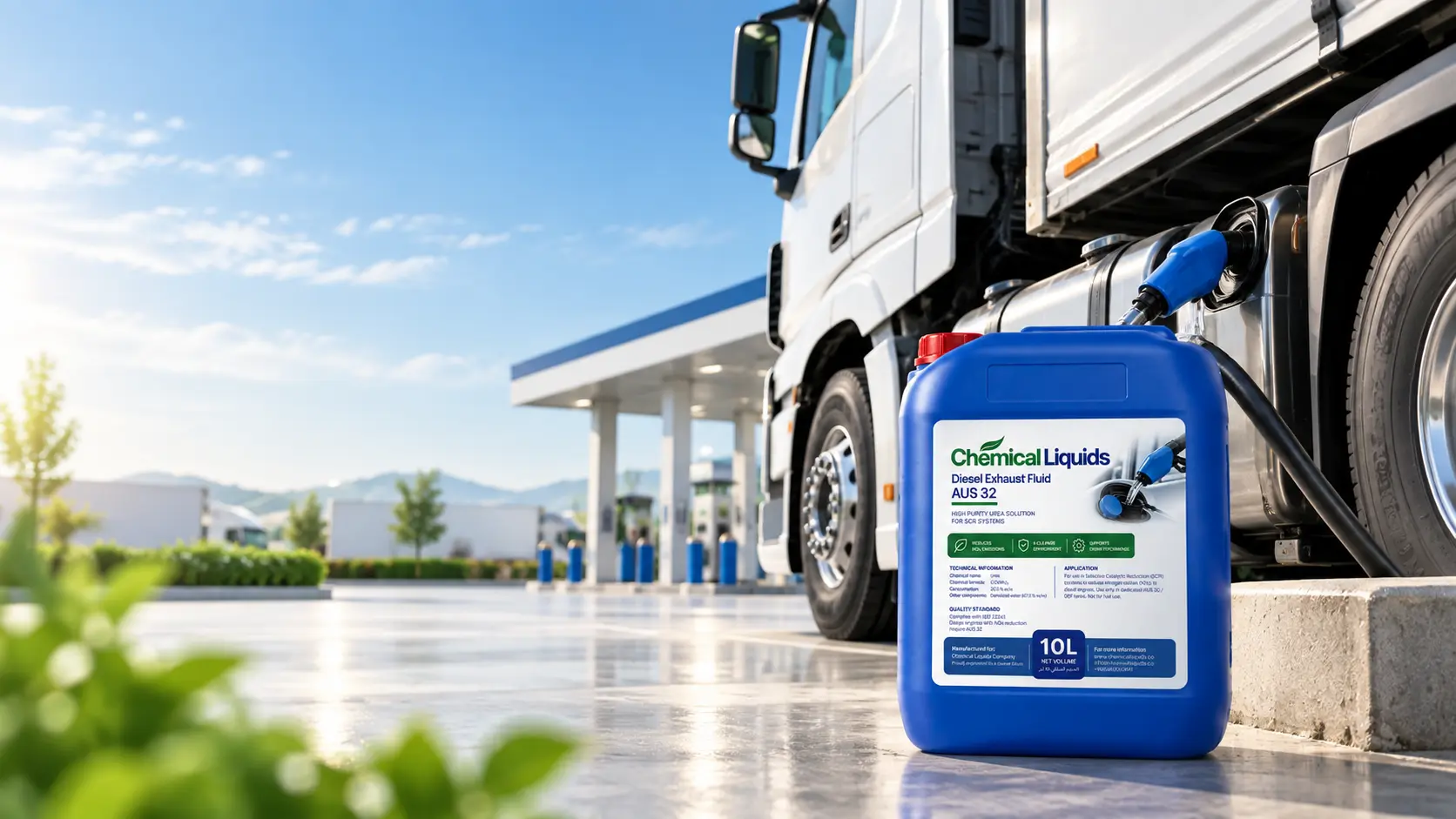
DEF quality · 6 min
Simple checks that help protect the dosing pump, injector and catalyst. (Sample video entry, no video attached.)
Watch video
Storage and handling · 8 min
Do and avoid practices for packs, tanks, pumps and hoses. (Sample video entry, no video attached.)
Watch video
Fleet best practices · 7 min
Planning reorder points and delivery schedules around real consumption. (Sample video entry, no video attached.)
Watch video
SCR systems · 5 min
How selective catalytic reduction turns nitrogen oxides into nitrogen and water. (Sample video entry, no video attached.)
Watch videoProtecting AdBlue® purity after delivery is a shared responsibility. Storage and transfer equipment must be dedicated, compatible and protected from contamination.
Final shelf life depends on storage conditions and temperature. Refer to the safety data sheet and product instructions supplied with the order.
Tell us about your fleet, your SCR systems and your storage set-up.